As water services move out, most councils do the necessary structural work. Reporting lines change. Roles transfer or disappear. Budgets are redrawn. Then attention moves to the next deadline. But an org chart only shows who reports to whom. It does not show how work gets done, who makes which decisions, or whether the remaining council has the capability it now needs.
That distinction matters because the council left behind is not simply a smaller version of the one that existed before. Its revenue mix has changed. Some technical depth has moved to a water entity. Shared services may now support a different volume and pattern of work. Career paths that once kept engineers and asset specialists inside local government may have narrowed. If the operating model still assumes the old organisation, gaps build until service, cost or staffing problems become hard to ignore.
What actually changes when water leaves?
The visible change is the transfer of water functions. The deeper change is to the balance of the organisation. Water services contribute revenue, capital activity, technical roles, procurement demand, customer contact and a significant share of corporate overhead. Removing that work changes the scale and economics of everything around it. Finance, people, legal, communications, digital and governance teams may all be supporting a different council, even if their own boxes stay in place.
Engineering capability is a particular pressure point. A council may still need to plan transport networks, manage stormwater interfaces, oversee growth and assess development, but it may have lost colleagues who provided technical challenge across those boundaries. Informal advice that once happened across a desk can become a formal request between organisations. That takes longer, requires clearer accountabilities and depends on relationships that cannot be assumed.
Career paths have changed too. Water teams often gave technical staff a route from early career roles into project leadership, asset management and senior management. Once those roles sit elsewhere, the remaining council needs a deliberate plan for attracting and developing specialists. Otherwise, a smaller technical workforce can become both harder to recruit and easier to lose.
What is the difference between an org chart and an operating model?
An org chart describes formal hierarchy. An operating model describes how the organisation delivers its work. It covers the services the council provides, the capabilities required, the way processes move across teams, the decisions held at each level, and the systems and information that support them. It also describes what happens at the boundary between organisations, which is now critical for councils and water entities.
Changing boxes can be part of an operating model redesign, but it is not the starting point. Start with the work. What must the council still deliver? Which outcomes does it remain accountable for? Where does work now cross into the water entity? What capability must stay in-house, and what can be shared, bought or accessed through a partnership? The structure should follow those answers.
Boxes are not the work. If the process, decision and capability questions stay unanswered, a new org chart simply gives the old problems new reporting lines.
How can you tell the model has not caught up?
The first sign is usually cost. Corporate teams may still be sized and organised for the old council, while managers struggle to explain which work has reduced and which has grown. Cutting each team by the same percentage will not fix that. Some overhead has genuinely disappeared. Some has shifted into contract management, relationship management, data exchange and assurance.
The second sign is an orphaned capability. A specialist role may have sat inside water but supported transport, planning or emergency management as well. When the role transfers, the job moves but part of its contribution does not. The remaining need may be too small for a full role, yet too important to leave to goodwill. These gaps belong on a capability map, not in a manager's list of things to watch.
The third sign is unclear decision rights. Staff know that the council and water entity share an issue, but not who decides, who advises or who pays. Papers move between governance groups. Operational questions become executive questions. People escalate because the boundary is unclear, not because the issue is difficult.
The fourth sign is a process that still routes through a role that no longer exists. Approvals, asset information, development advice and customer enquiries can all carry traces of the previous structure. Staff create workarounds to keep things moving. Those workarounds become normal, but they add delay, duplicate checks and make accountability harder to see.
How do you redesign around the work?
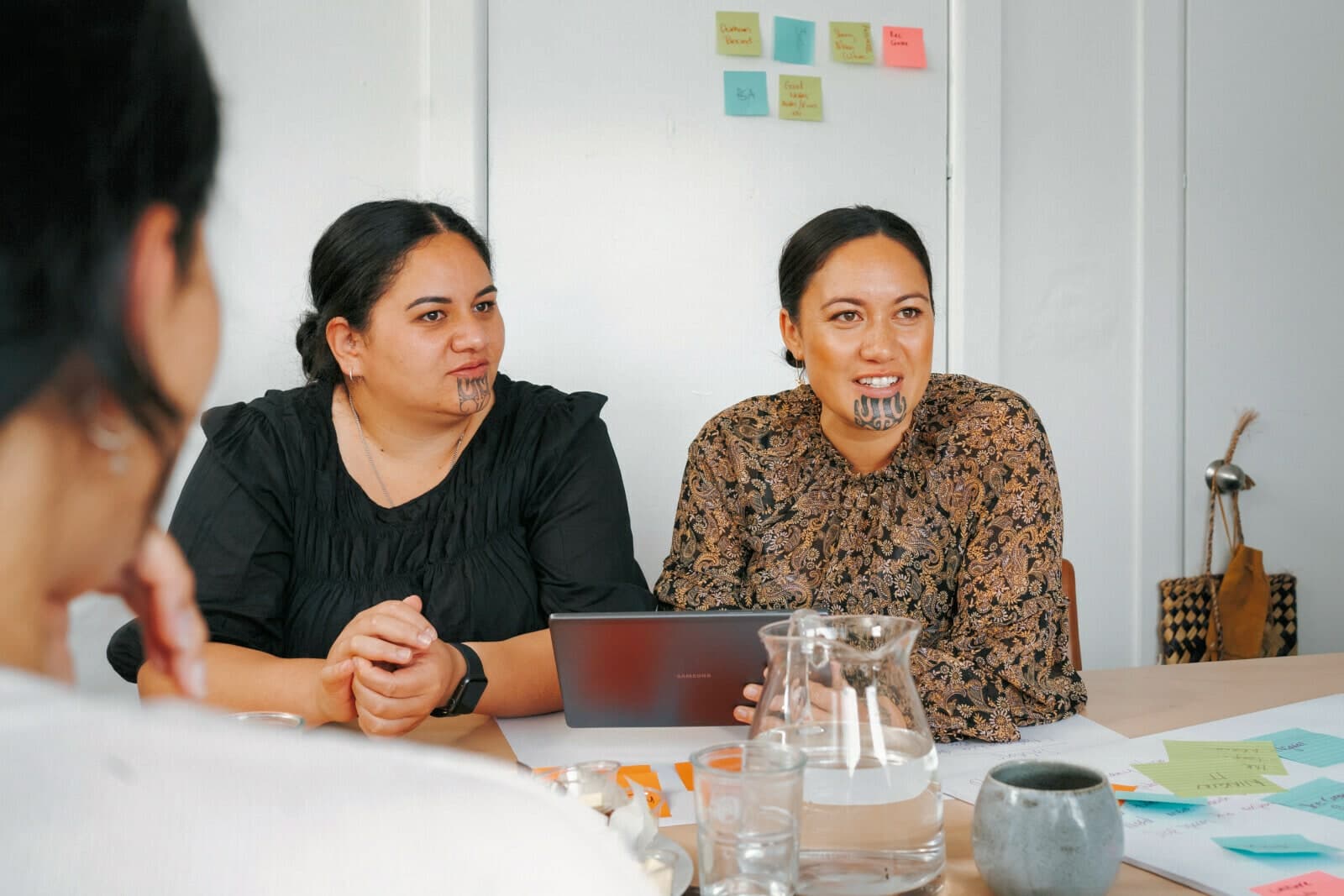
We use four steps. Involve the people who understand the work, make each decision explicit and test the design before another restructure begins.
This work does not always lead to a large restructure. Sometimes the right answer is a smaller change to decision rights, process ownership or shared service arrangements. One workshop will not fix a structural problem, but neither should every operating problem become a restructure. The diagnosis should tell you which one you have.
What does this mean ahead of 2028 amalgamation?
The same discipline applies to amalgamation, at a larger scale. Combining two or more org charts does not create one operating model. Each council brings different service choices, capability depth, systems, delegations and ways of working. If the transition starts by deciding who reports to whom, the new council inherits every unresolved process and duplicates many of them.
Water reform gives councils a useful warning. Structural deadlines make boxes feel urgent because they are visible and easy to approve. The harder work sits underneath. Before 2028, councils can map critical work, clarify decision rights, describe capability in a shared language and identify where current processes depend on particular people. None of that requires final boundaries. All of it makes later design faster and safer.
What should you do this quarter?
Choose three pieces of work that cross the council and water entity boundary. Pick one routine process, one high-risk process and one process that staff regularly complain about. Map each from start to finish with the people who do the work. Record every handover, decision, delay and workaround.
Then ask four questions. Is the accountable person clear? Does the decision sit at the right level? Does the council still hold the capability it needs? Would the process work if one key person left tomorrow? The answers will show whether you have a local process issue or an operating model that has not caught up. Either way, you will have somewhere practical to start.