The district was growing faster than almost any other in the country. Population and visitor growth were putting pressure on every part of the council, from consenting and infrastructure planning to customer contact and community services. The organisation had grown in response, but its underlying structure still reflected a smaller district with simpler demands.
The challenge
Growth had changed the volume, pace and complexity of council work. Services were carrying demand that existing roles, reporting lines and workflows had not been designed to handle. Accountabilities had become less clear as teams adapted around the structure, and work was not always moving cleanly between functions.
The answer could not be to keep adding roles. The rates envelope was tight, and any new model needed to make better use of the workforce already there. The executive leadership team wanted a whole-of-organisation view, not a series of isolated restructures that moved pressure from one team to another.
What we did
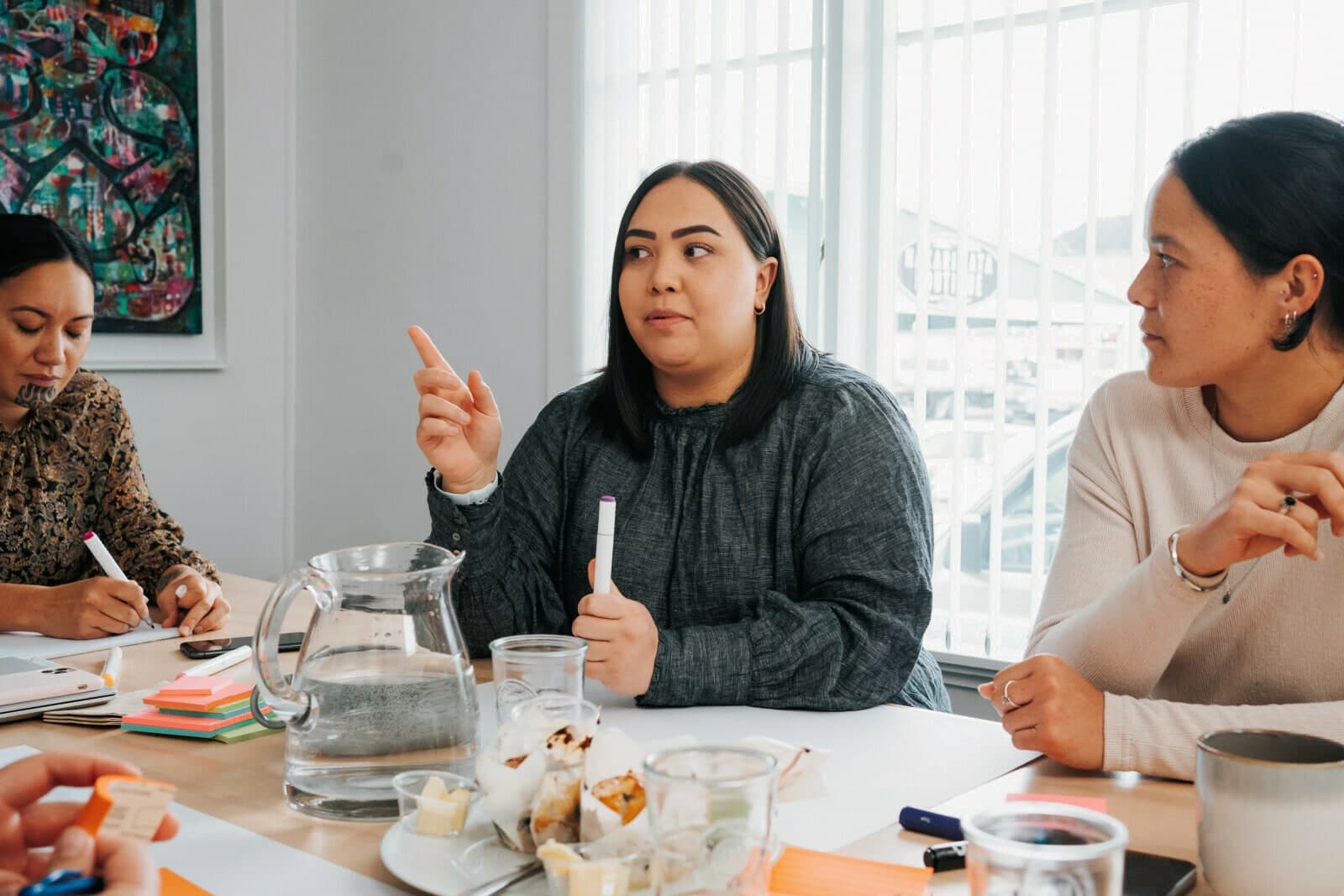
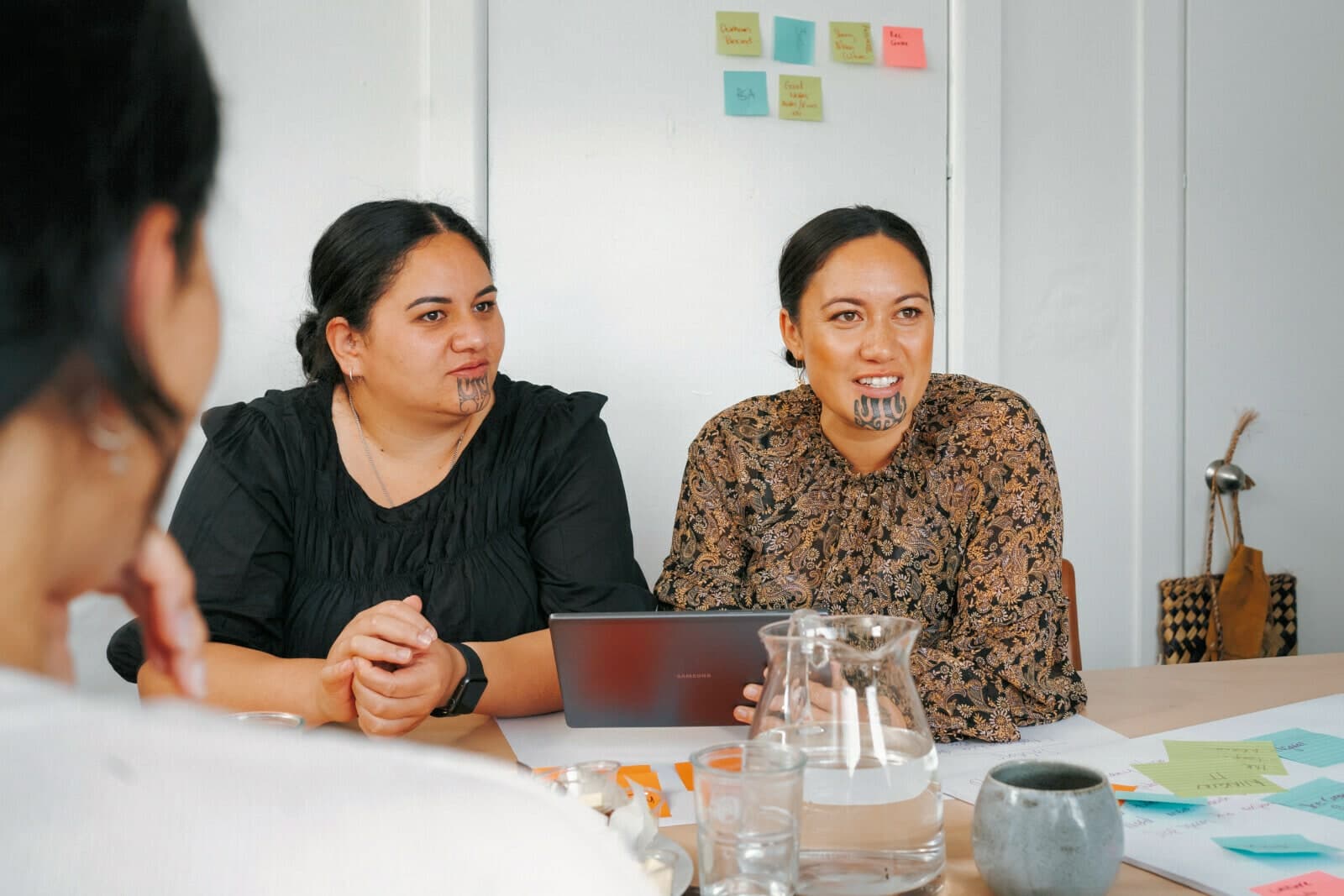
We reviewed the organisation as one connected system. That meant looking beyond boxes and reporting lines to understand how decisions were made, where accountability sat, and how work moved across services. Council leaders and staff were involved throughout, so the final model reflected the work as it was actually done.
They listened first, tested everything with our people, and left us with a design we own. It never felt like a template.
The outcome
The council moved from diagnosis to an endorsed operating model and transition plan. The new structure matched roles and accountabilities more closely to the demand facing the district, while keeping the design grounded in the realities of a tight rates environment.
Consenting workflows became clearer and faster because responsibilities and handovers were easier to follow. The model also gave leaders a shared view of how services should connect, reducing the need for teams to work around unclear boundaries.
Every member of the executive leadership team endorsed the model, so the council began transition with one agreed direction, a clear plan and a design shaped with its own people, instead of competing versions of where it was heading.
What transfers to other councils
Start with the work, not the organisation chart. Map where demand is growing, where decisions slow down and where teams have created workarounds. Then test the design with the people who will need to make it work. A structure can look tidy on paper and still fail at the handovers. The strongest models make accountability clearer without pretending council work happens in neat functional lines.