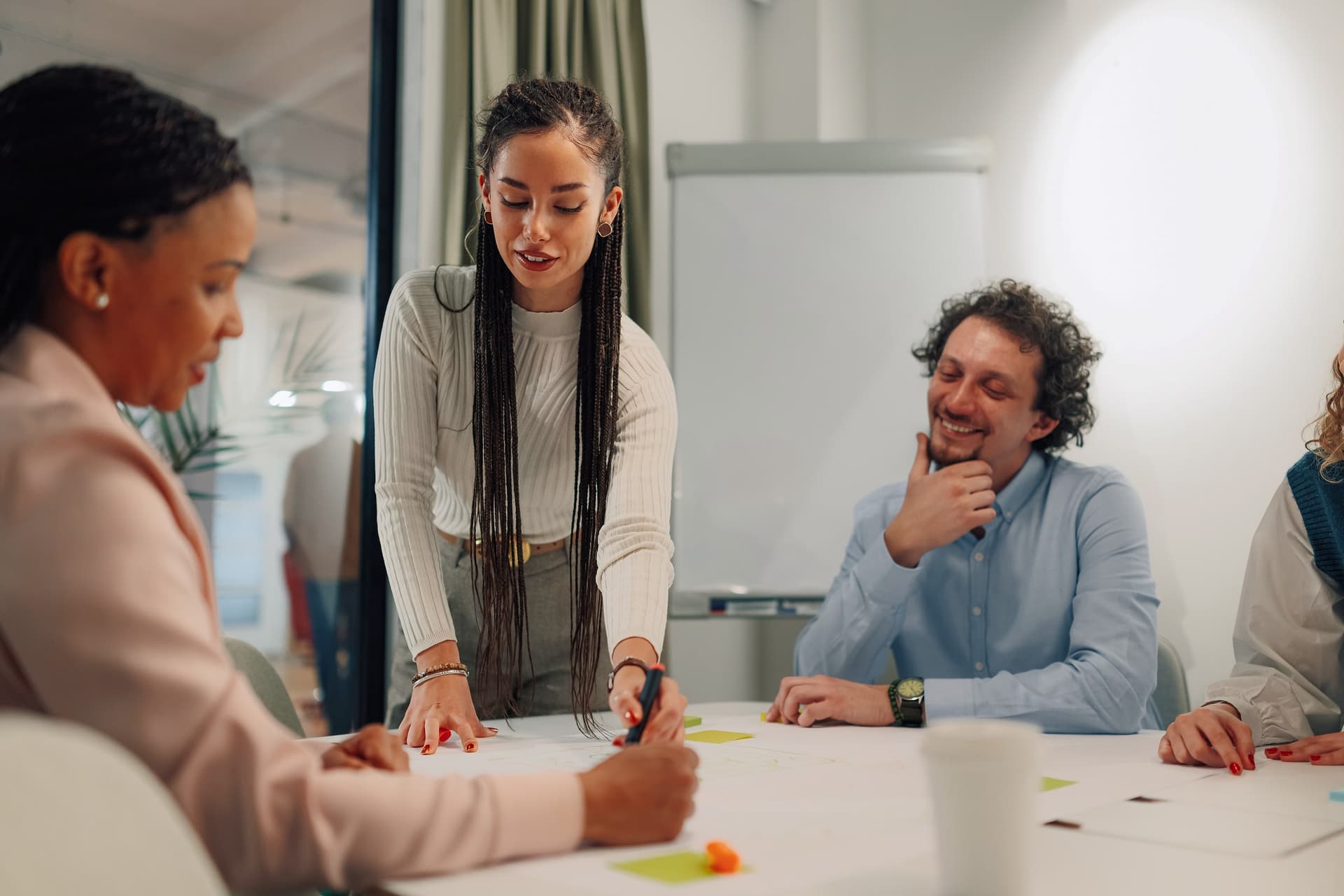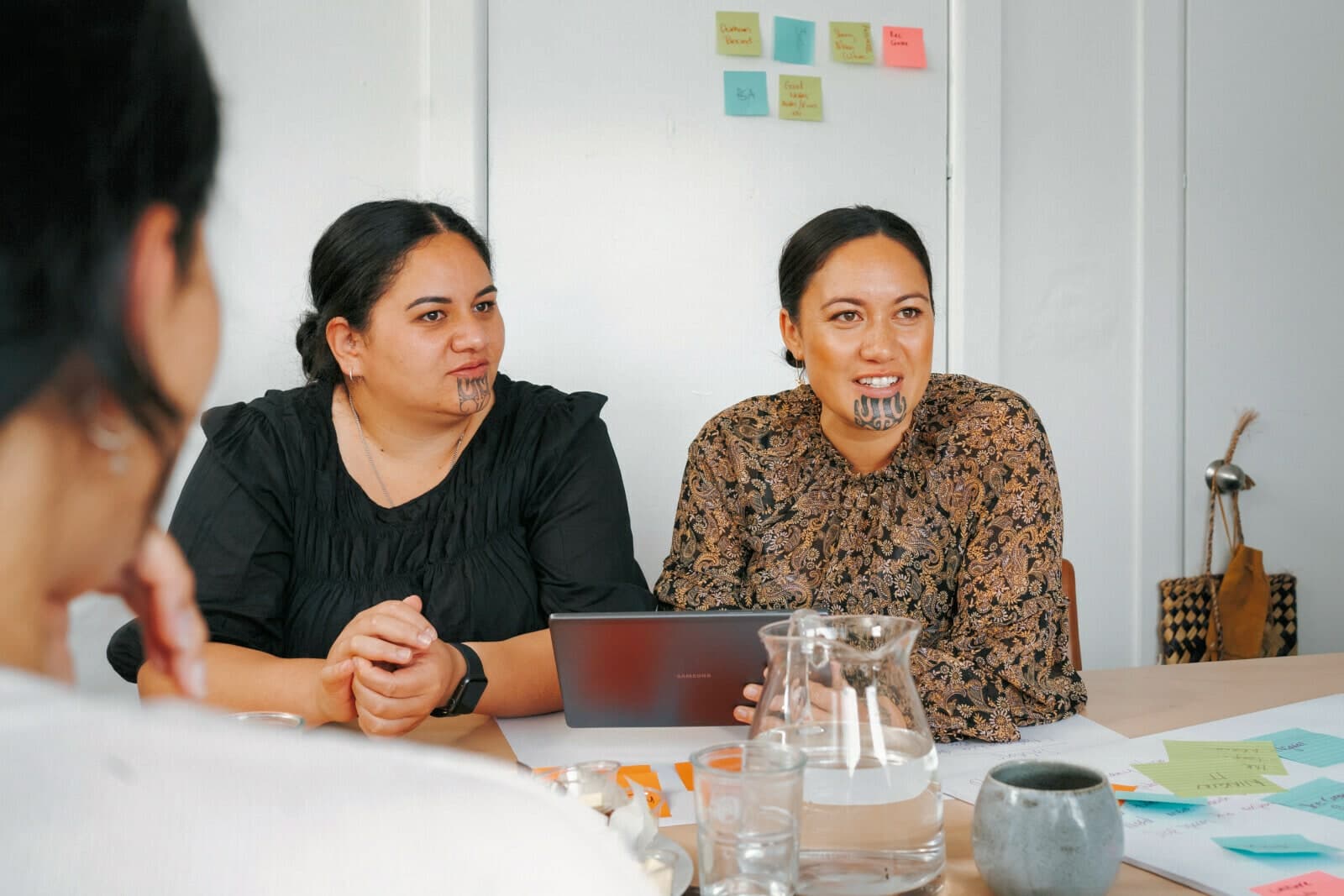
In any given cohort you will find a specialist about to get their first direct report, and a group manager who has run one for years. They sit in different rooms, working at different depths, on the same handful of models.
The challenge
A regional council covers a spread of work most people never see: science and monitoring, consenting and compliance, flood protection, transport, and long-running relationships with iwi and hapū that shape how all of it gets done. The people leading that work were at very different stages.
New managers needed practical tools for running a team. Senior leaders were working on decisions that cross the whole organisation, so one programme would have missed both. Building three unrelated programmes instead would have left managers describing the same problem in different words, one floor apart.
What we did
We built a separate programme for each level, in short blocks over months rather than one long course. Each uses the council's own leadership framework, so the language matches what people already see in their role description, and each is built to the te ao Māori principles the council works to. The Future for Local Government review has since recommended stronger investment in that kind of capability across the sector.
The programme reflects our organisation strongly and provides leaders with the skills needed to navigate the coming years.
The outcome
More than 300 leaders have completed a programme, with further cohorts enrolled. Of those surveyed afterwards, 85 percent said they were using what they learned in their role and 86 percent expected to keep the changes up.
Both of those are people reporting on themselves, so it is worth putting them next to a number nobody in the programme collected. Leadership effectiveness in the council's engagement survey rose 4 percent, and that survey goes to everybody in the council, including people who never attended. It cannot prove the programmes caused the lift. It is a second opinion, and the programme did not gather it.
The written feedback kept coming back to the same few things: stronger relationships and collaboration across teams, more self awareness, better resilience and wellbeing, and more confidence leading through change and uncertainty.
Why it was built this way
The often quoted claim that only 10 percent of training reaches the job has never had much evidence behind it, and honest studies report widely different rates because they measure different things at different intervals. What they do agree on is what raises transfer: learning spread over time rather than crammed into one event, a manager who follows up, peers who expect you to have tried something, and a real chance to practise. A set of programmes with standing cohorts builds in three of those four. The manager follow-up still has to be organised inside the council.
It also changes what you can honestly measure. Feedback collected on the last afternoon tells you how the sessions felt. Asking months later whether anything is being done differently tells you something worth knowing.
What transfers to other councils
The design lesson is the cheaper one to copy. Teach one set of models at every level, so a team leader and a group manager describe the same problem the same way. It costs more up front than running three unrelated programmes, and it is the reason the language holds together afterwards.
The measurement lesson is harder. Participant feedback is useful, and people rating a programme they have just finished will always be kinder than a survey of everybody. Pair it with a number the programme did not gather. A survey covering the whole organisation moves slowly, and plenty of things besides a leadership programme move it. It is still the number worth watching.